The sun has barely dipped below the horizon in Ephesus when the ancient city transforms. Shadows lengthen across marble colonnades, and in the gathering twilight, the Library of Celsus takes on an almost mystical quality. This is when most cruise passengers are back on their ships, contemplating dinner reservations. But a select group of Seabourn guests are just arriving – and they have the entire archaeological site to themselves.
This is noctourism, and it represents a fundamental shift in how luxury expedition cruising approaches the shore excursion. Gone are the coach tours herding passengers through UNESCO sites at peak visiting hours. In their place: intimate after-dark encounters that reveal destinations in their most atmospheric moments, when the day-trippers have departed and the magic emerges.

The allure of the after-hours
Seabourn has built its reputation on taking travelers where others cannot – or will not – go. Now, the ultra-luxury line is applying that same philosophy to when they go. These “after-dark experiences” leverage the unique flexibility of small-ship cruising to access places during windows of time that larger operators simply cannot accommodate.
“Whether it means witnessing phenomena that only occur at night or enjoying normally crowded places in solitude, we take pride in crafting moments our guests remember most – and remind them why travel is so powerful.”
Mark Tamis – president, Seabourn Cruises.
It’s a philosophy that resonates with a growing segment of discerning globetrotters who’ve ticked off the standard bucket list and are searching for something deeper. The Arctic under the midnight sun. The Hawaiian coral reefs as nocturnal manta rays stir. The sacred Papua New Guinean fire dancers against the night sky. These aren’t simply variations on day tours – they’re entirely different experiences that reveal destinations in states few others ever witness.
Beyond the velvet rope
The Evening at Ephesus exemplifies this approach. As twilight settles over the ancient city, guests wander through streets once walked by Mark Antony and Cleopatra. The usual daytime din – the guided groups, the selfie sticks, the vendors – has been replaced by stillness and the gentle glow of strategic lighting that brings the ruins to life in entirely new ways.

Then comes the concert. In an exclusive arrangement, guests settle among the ruins for a private musical performance. The acoustics that once carried the voices of Roman orators now amplify contemporary musicians, creating a bridge between ancient and modern that no daytime visit could replicate.
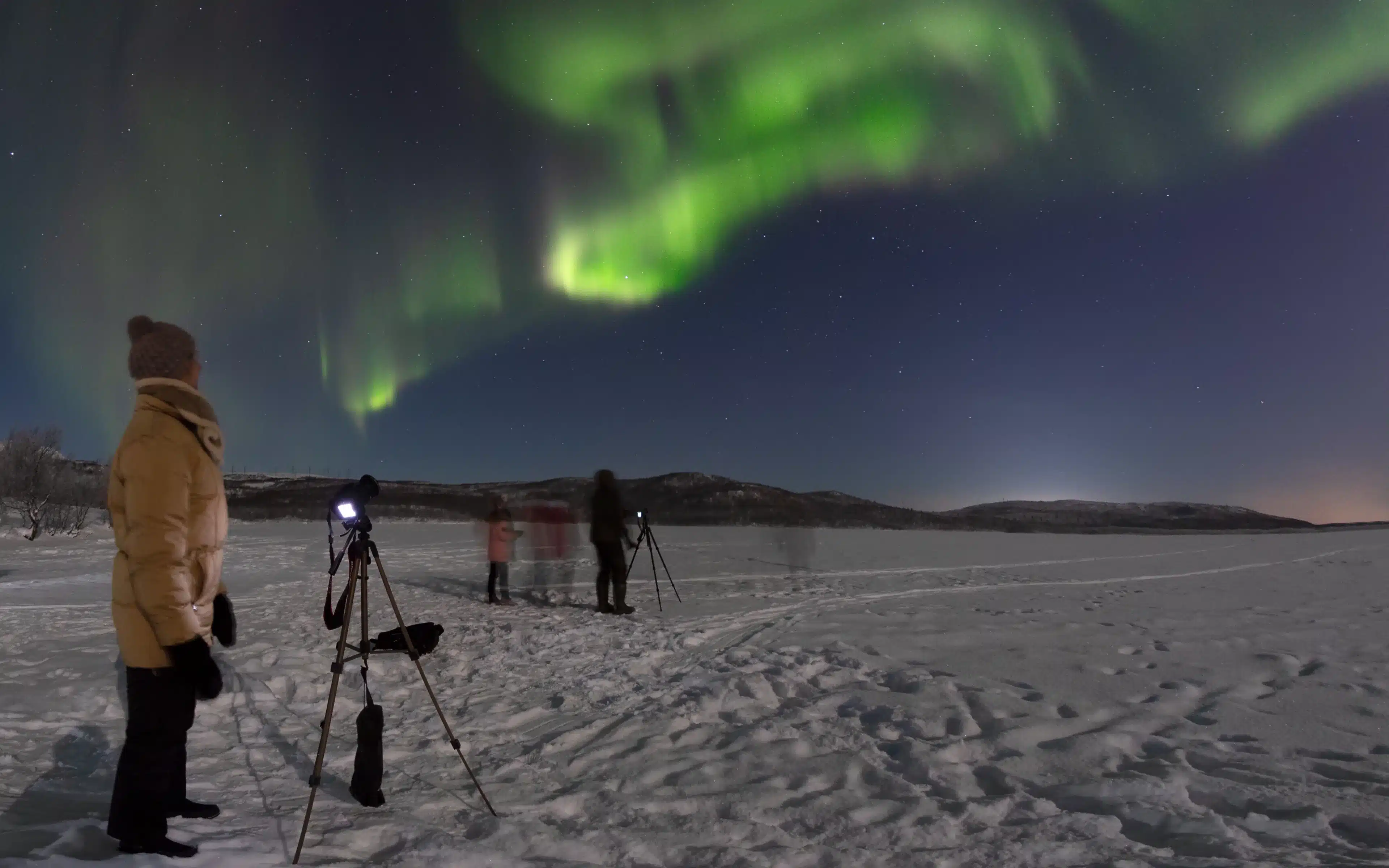
Similar exclusivity defines the experience in Alaska. While cruise passengers typically encounter this region during standard operating hours, Seabourn guests witness it after the crowds have dispersed. The result? An authentic Tlingit cultural experience with the space and quiet necessary for genuine connection, paired with Northern Lights skygazing – the kind of encounter that’s impossible aboard larger vessels.
The science of wonder
There’s also a category of after-dark experiences that exist purely because of timing – natural phenomena that only reveal themselves when darkness falls. The midnight sun in the Arctic creates a golden, dreamlike quality utterly unlike the region’s appearance in winter. The northern lights, of course, require not just darkness but patience and often, luck.
At Tasmania’s Bonorong Wildlife Sanctuary near Hobart, dusk brings an entirely different dimension to Australia’s island wilderness. As darkness descends, the sanctuary comes alive with nocturnal creatures – Tasmanian devils, quolls, wombats, and the island’s remarkably friendly, free-roaming kangaroos and wallabies. The intimate, after-dark experience offers encounters with wildlife in their natural element, active and unguarded in ways that daylight hours never reveal. It’s an extraordinary glimpse into a corner of the world found only on the 17-day Australia Explorer segemnt of the World Cruise on Seabourn Quest.
Small ships, big advantages
None of this would be possible without the inherent flexibility of expedition-style cruising. Unlike mega-ships bound to port schedules dictated by sheer logistical necessity, Seabourn’s vessels can linger, arrive late, or anchor overnight. They can negotiate exclusive access to sites that would never accommodate hundreds of passengers. They can say yes to the sunset departure that positions guests perfectly for the northern lights – or the after-hours museum visit that would overwhelm a traditional tour operator.
This is the breaking-the-mold approach that transforms cruising from transportation between ports into a genuine tool for deeper travel. The ship becomes enabler rather than constraint, a comfortable base camp that happens to move, positioning voyagers for experiences that independent visitors often cannot arrange themselves.
The future is after dark
As luxury travel continues to evolve beyond mere comfort toward genuine transformation, expect the noctourism trend to accelerate. The most sophisticated cruisers no longer want to see the same sights as everyone else – they want to see them differently, in moments of authenticity that reveal rather than perform.
Seabourn’s after-dark experiences suggest where this evolution leads: to the ancient city emptied of crowds, to the forest alive with nocturnal mystery, to the Arctic under its impossible midnight sun. To the moments when places reveal themselves not as attractions but as living, breathing spaces that change with the light.
The luxury line isn’t just selling sailings anymore. They’re selling twilight, midnight, and the transformative hours in between – when the world reveals its secrets to those patient enough to wait for darkness to fall.






About the Author: Jason Kerr