A rainy day, a merchant’s house, and a lesson in connection
My first day in Japan on Ponant’s Le Soléal involved torrential rain, soggy shoes and proof that you don’t need perfect weather to have a perfect day. Sitting inside a 100-year-old wooden merchant’s house in Karatsu, it was impossible to think of a better way to embrace the culture and traditions of Japan.
Raindrops created a silvery curtain as owner, Akihiro Tokunaga, whisked our group’s matcha, each movement as precise as the intricate joinery in the wooden building’s ceilings and walls. Our excited chatter turned to silence, and we lost ourselves in the moment as Tokunaga, silhouetted in the soft rain-soaked light of spring and framed by a garden emerging from winter’s long sleep, made the tea.
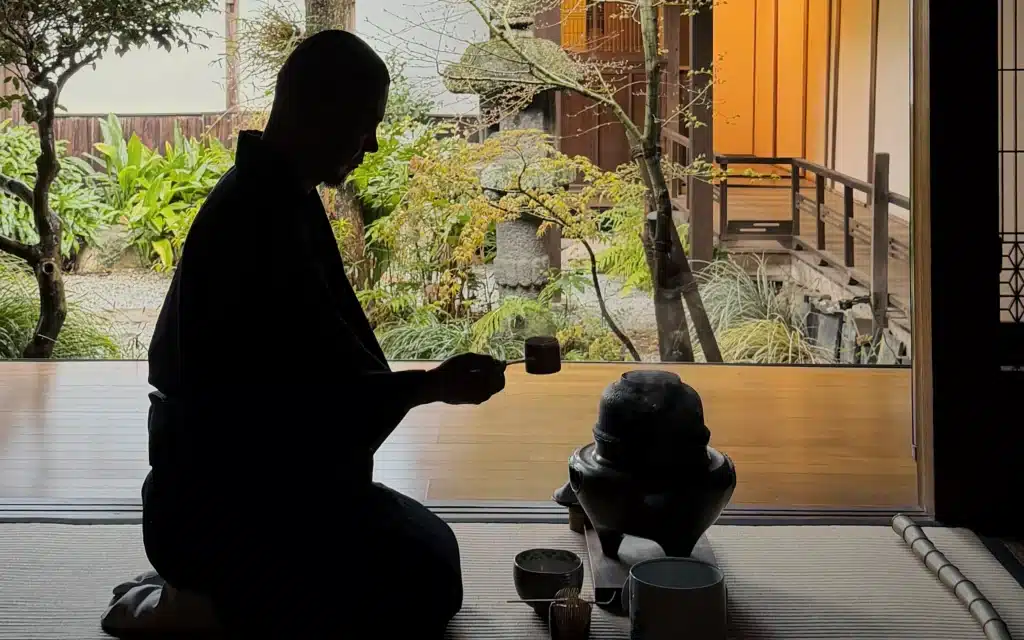
I didn’t know it at the time, but I’d inadvertently discovered the beauty of en, a Japanese philosophical belief that connections between people, places, and moments are never accidental but woven by invisible, karmic threads. Surrounded by washi paper screens and sitting on the building’s original tatami mats, it felt like Japan had opened its arms to our slightly damp group of travelers and wrapped us in its warm embrace.
A Bond villain’s island—and something far more
Like most visitors to Japan, I’d long been transfixed by the country’s history and culture. The following day, I skipped the ship’s tours and embarked on a solo adventure to one of the country’s most unusual attractions. Thanks to Le Soléal’s docking location in downtown Nagasaki, it was easy to reach the local tour boat heading to Gunkanjima, or “Battleship Island”. Contrary to what you might think, not all of Japan’s UNESCO World Heritage sites are temples or castles. And today’s destination had nothing to do with battleships, aside from the island’s passing resemblance to them.
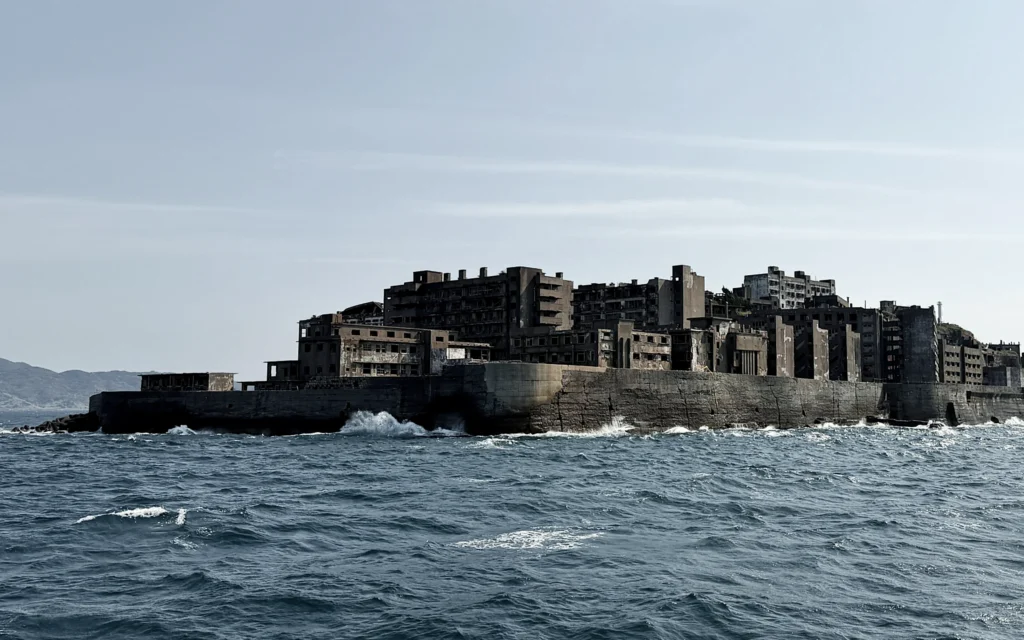
Gunkanjima once housed an underground coal mining facility and is famous for the vast, crumbling city that covers the island. Its eerie remains once rivaled Tokyo’s wealth and cutting edge facilities. As our guide shared stories about the everyday lives of the miners and their families who lived on Gunkanjima from the late 1890s to 1974, I realized en had bent my chosen path and taken me in an entirely new direction.
I had originally visited the island because it starred as the villain’s lair in my favorite James Bond movie, Skyfall. However, touring the site had provided me with a deep appreciation and understanding of the country’s social culture, as well as a respect for the balance of its relationship between its past and the future. It also made me appreciate the riches awaiting those who venture beyond Japan’s typical tourist spots.
The magic of smaller ports
This was easy to do as our ship’s itinerary favored off-the-beaten path ports that only received a handful of cruise ships each year. There were many highlights along the way, but it was the send-offs that brought our ship together and the magic of Japan’s smaller towns to life. Every afternoon, passengers stood on their balconies as performers gathered on the dock for a highly anticipated show on the pier or onboard Le Soléal.
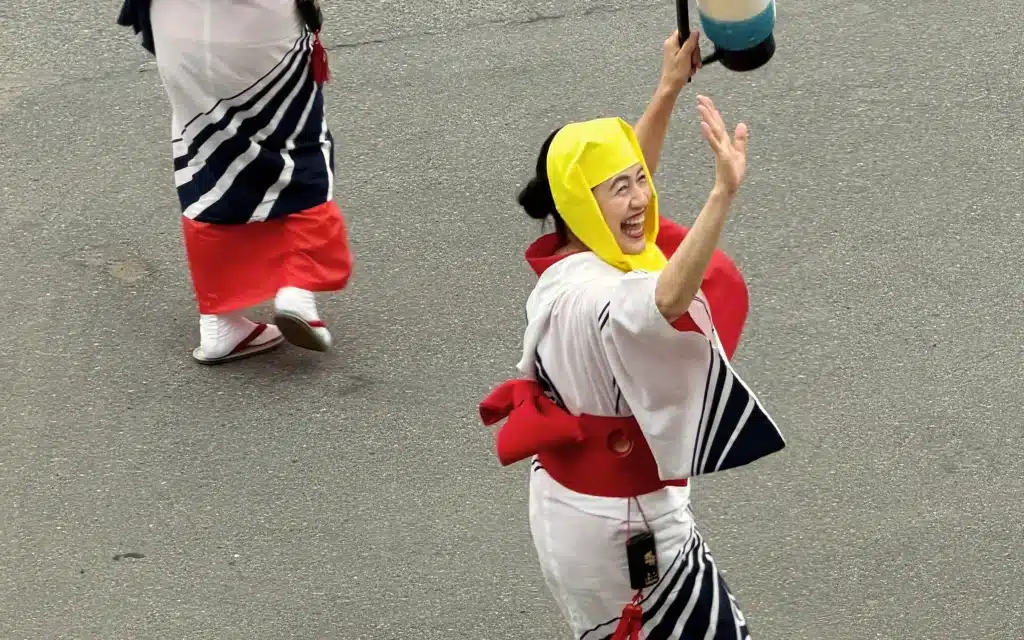
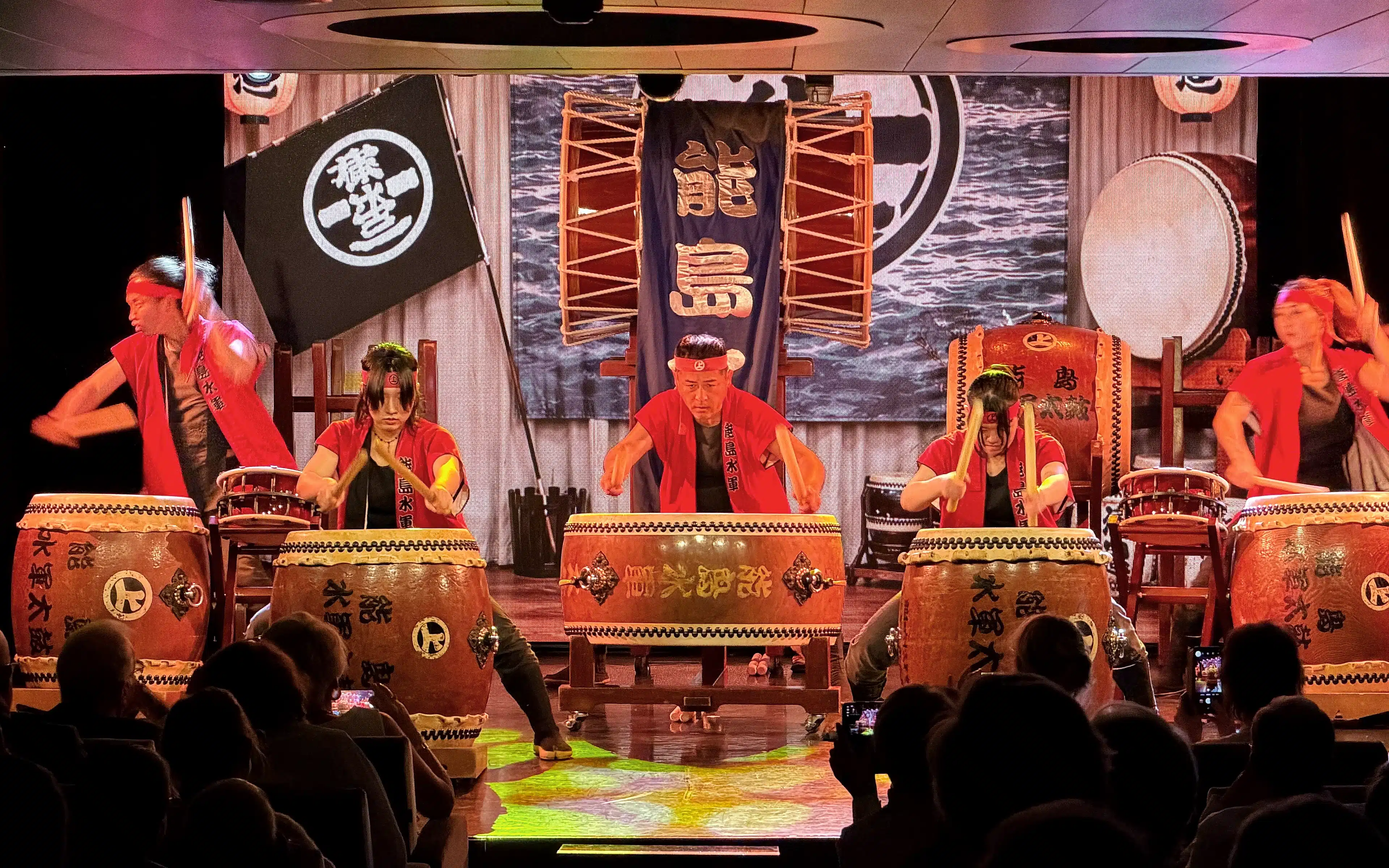
In one town, school children in neatly pressed uniforms performed traditional music. At another, an orchestra played a spirited rendition of a French tune to honor our ship’s Gallic heritage. The theatre featured thundering taiko drummers channelling the rhythms of local Murakami pirates who communicated using drums during battle. However, it was the octogenarian dance troupe on the wharf in Itozaki who stole our hearts. Their colorful costumes, enthusiasm and joyful smiles lit up the industrial port as they twirled and danced along the dock.
This sharing of culture and traditions personified the harmony, balance and unity that I experienced throughout my journey on Le Soléal. When you are traveling on a small luxury ship in Japan, there is time to be present enough, and in places intimate enough, that these moments are many, and so perfect they feel almost predestined.
The author sailed as a guest of Ponant.






About the Author: Tiana Templeman