As Canada Place marks a record season, its environmental work is drawing as much attention as its passenger numbers
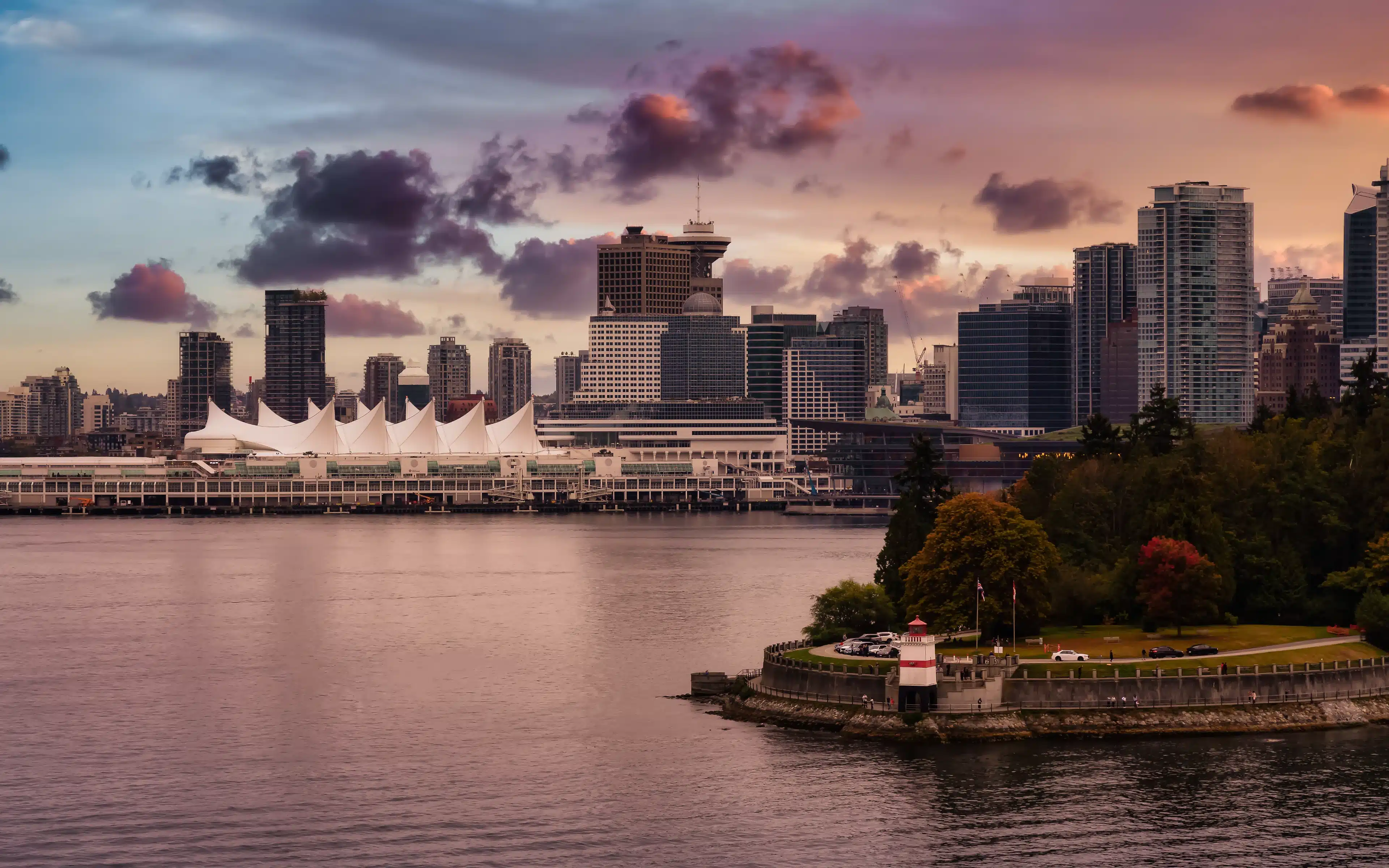
Forty years after it first sent passengers north along the Inside Passage, Vancouver’s Canada Place terminal has just recorded its busiest season, with 1.4 million passenger visits between February and October 2026. Yet for travelers who weigh the footprint of a voyage as carefully as its itinerary, the more compelling story is what happens once ships tie up at the pier.
Plugging in at the pier
In 2009, Canada Place became the first cruise terminal in Canada, and only the third in the world, to install shore power. The technology lets ships switch off their engines at berth and draw electricity from British Columbia’s hydro-powered grid instead. Today, about 80 percent of cruise calls to Vancouver are shore power enabled.
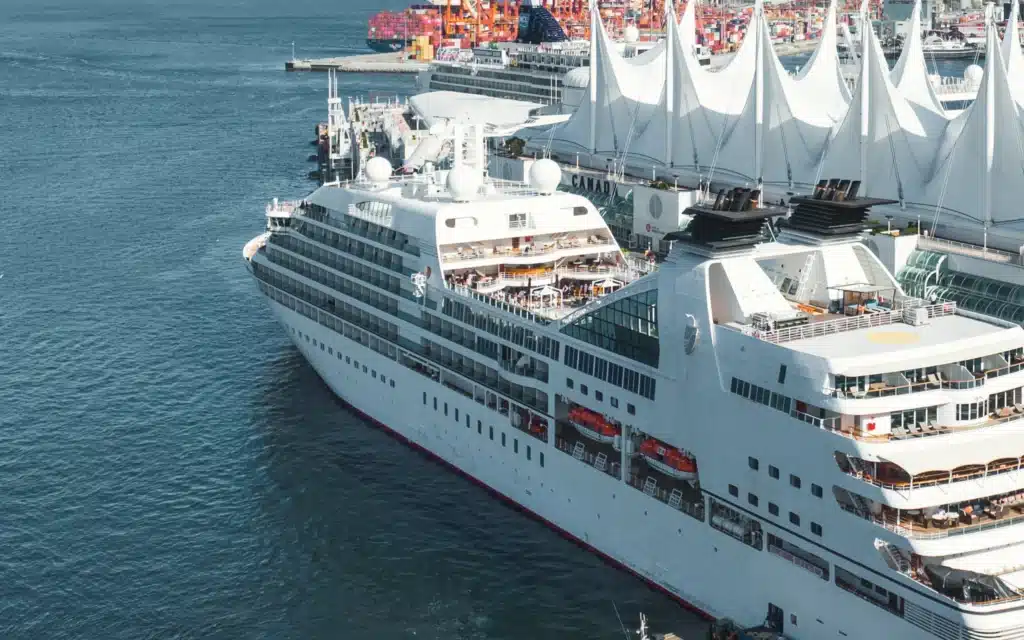
The results add up. Across the port’s cruise and container terminals, shore power has prevented an estimated 55,000 metric tons of greenhouse gas emissions since 2009, roughly the same as taking 12,850 gasoline-powered cars off the road for a year.
More capacity on the way
The port authority is now expanding shore power at Canada Place in partnership with Transport Canada’s Green Shipping Corridors Program, with work scheduled to begin in the coming months. Once complete, it is expected to prevent an additional 3,300 metric tons of emissions each cruise season, the equivalent of removing 770 gasoline-powered cars from the road every year.
Slowing down for the whales
The port’s environmental focus extends well beyond the berth. Its ECHO Program coordinates voluntary ship slowdowns to protect at-risk whales in the Salish Sea, and cruise lines consistently post some of the highest participation rates, at about 85 percent in 2026. On waters where wildlife is much of the reason people travel, it is a measure that matters.
Smoother from the start
Efficiency on land has kept pace. Since facial biometric scanning was introduced in 2024, average embarkation times have fallen to under 30 minutes, and clearing U.S. border control in Vancouver now takes most passengers less than 10 seconds. New elevators at key arrival points are also on the way. In 2026, the World Travel Awards named Canada Place North America’s Leading Cruise Port for the second consecutive year.
The city as part of the voyage
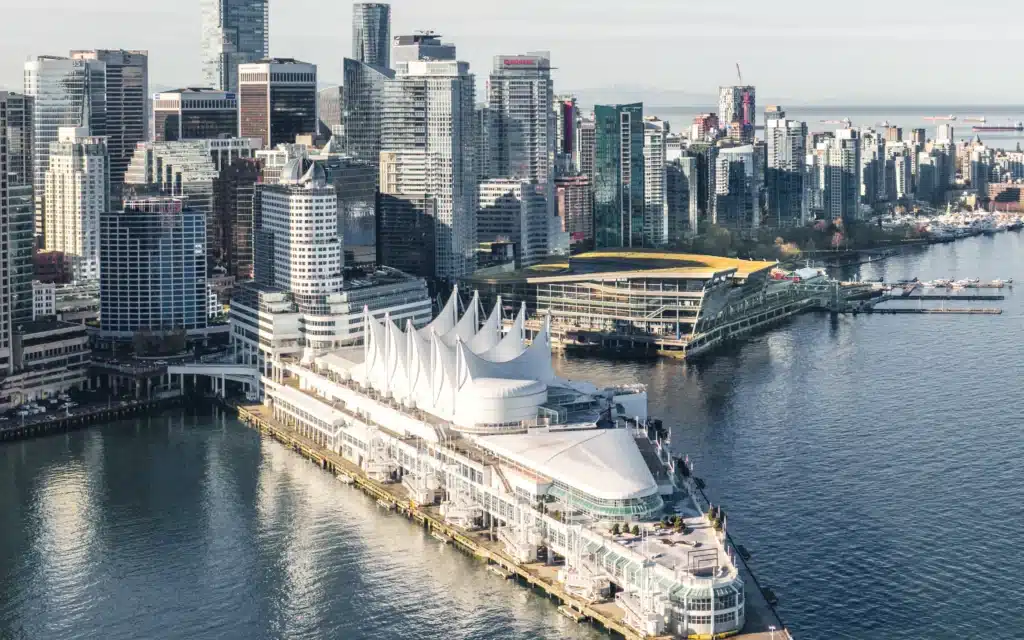
Travelers are also giving Vancouver more of their time. A Pacific Rim Cruise Association survey found 76 percent of cruise passengers now spend time in the city before or after sailing. Those from outside North America stay an average of 2.6 nights, long enough to shake off a long-haul flight and treat the city as a destination in its own right.
For discerning cruisers, Vancouver’s record year offers reassurance as much as a statistic. The gateway to Alaska is getting cleaner, quicker and more rewarding to linger in, and that is a good way for any northern voyage to begin.






About the Author: Staff Writer