When the ship is small enough to change everything
There is a version of European cruising that most people know: the vast white vessel anchored offshore while thousands of passengers descend on Dubrovnik or Santorini, selfie sticks raised, queues forming at every cobbled corner. And then there is the other version — quieter, slower, more considered — the kind Aurora Expeditions has been quietly perfecting for years.

Best known for its polar expeditions to Antarctica and the Arctic, the Australian operator has long built its reputation on the philosophy that meaningful travel requires time, intimacy and expertise. This year, it applies that thinking more ambitiously than ever to Europe, launching its largest European season to date: 19 voyages between April and October 2026, calling at more than 120 ports across the Mediterranean, Adriatic, Northern Europe, and the UK and Ireland.
The ship at the center of it all
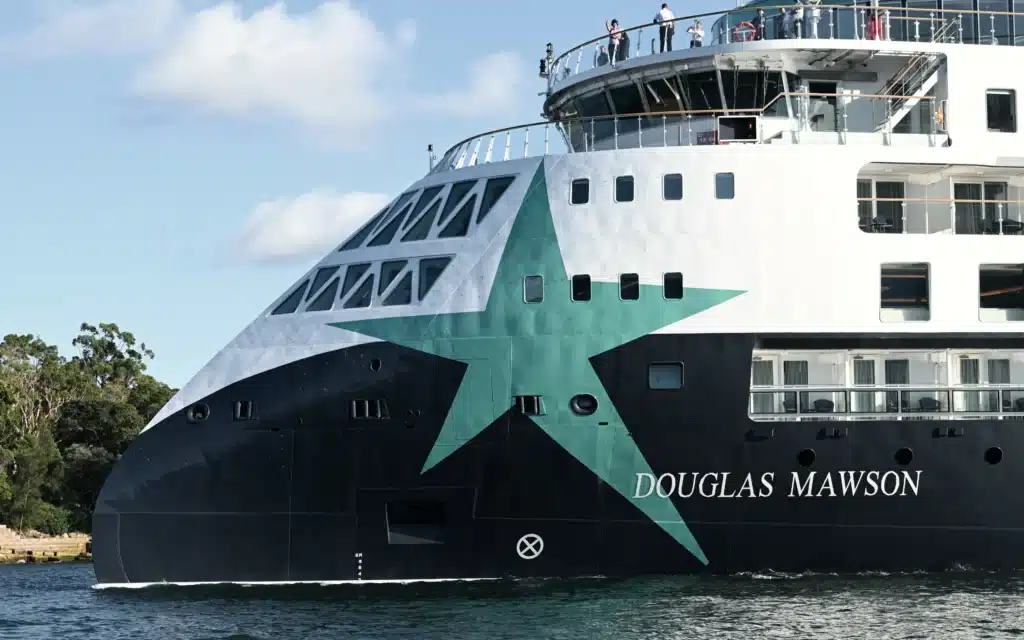
The season’s focal point is Douglas Mawson, Aurora’s newest purpose-built vessel and the youngest member of a three-ship fleet that includes Greg Mortimer and Sylvia Earle. Designed with expedition travel in mind, Mawson brings the intimate scale and exploratory spirit that have defined the company’s polar work to the warm-water shores and ancient waterfronts of Europe.
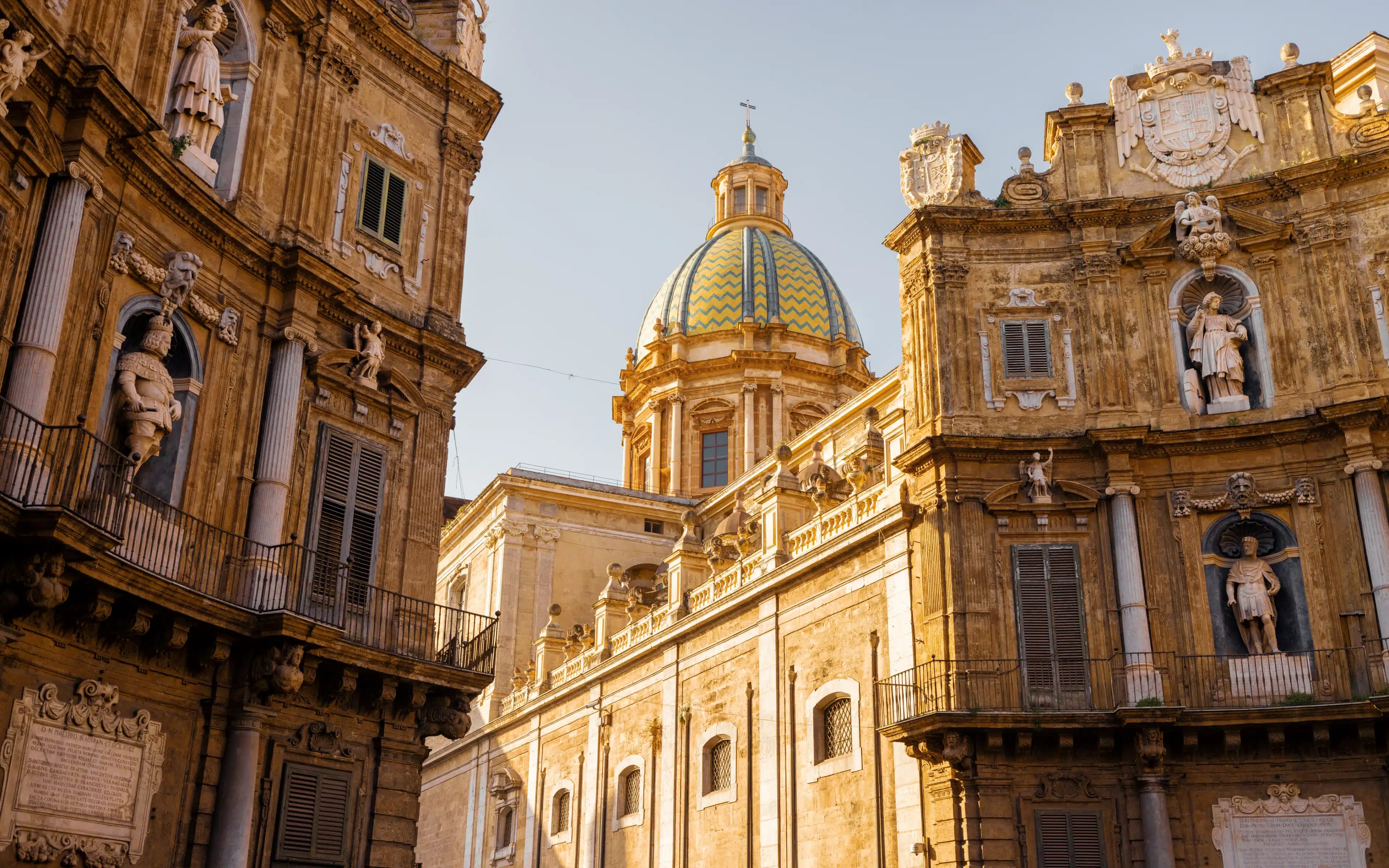
The ship carries a guest capacity that invites genuine connection — with the destination, with fellow travelers, and with the team of onboard experts Aurora calls its Master Storytellers. These are not generic cruise directors. They are historians, genealogists, art scholars and cultural specialists, each chosen to illuminate the particular character of the regions the ship is visiting. In the waters off Ireland, a historian might trace the famine migrations that reshaped a nation. Along the Amalfi Coast, an art expert might unpack the layers of empire and influence visible in a single church facade.
Itineraries built around ideas, not just ports
What distinguishes the Aurora approach is that its European itineraries are organized around themes and narratives rather than simple port lists — a meaningful distinction when you consider how much richer a coastline becomes when you understand what happened there.
The Ireland voyage — sailing round-trip from Dublin in May — ventures beyond the expected, weaving through both the Republic and Northern Ireland to explore the folklore, faith and fractured history that have shaped the island’s character. Castles, coastal villages and quiet harbors serve as backdrops to stories of migration, rebellion and resilience.

The companion sailing, Ireland & Scotland: Saints, Saviours and Secrets, extends that journey northward to Edinburgh, threading through themes of religious conflict, cultural identity and the lives of the ordinary citizens whose stories rarely make the history books but define a place more honestly than any monument.
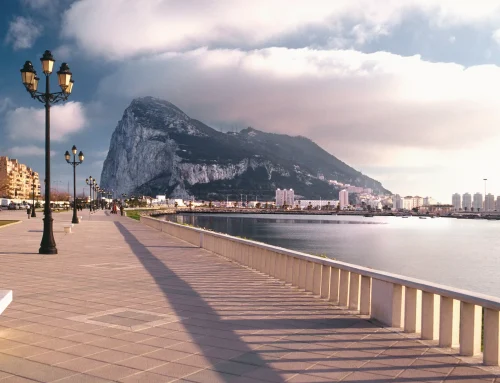
Further south, the Canary Islands to Lisbon voyage traces the shared heritage of a region long shaped by trade winds, empire and cultural collision — from the medinas of Morocco and the whitewashed towns of Andalusia to the Algarve coast and the Atlantic-facing city that launched the Age of Exploration. And for those drawn to the layered complexity of the central Mediterranean, the Amalfi, Sicily and Malta itinerary moves from Rome to Valletta through landscapes where Roman ruins, Baroque churches and clifftop villages tell the story of centuries of competing empires and civilizations.
More time ashore, more depth in port
Aurora’s all-inclusive Your Choice program gives travelers flexibility in how they spend their time in port — a curated menu of excursions tailored to the character of each destination, whether that means a private visit to an archaeological site, a food-focused walk through a local market, or a quieter morning exploring a village that larger ships cannot reach.
“We’re seeing growing interest in smaller ships and more immersive styles of travel, particularly in destinations where travelers are looking for deeper context and a stronger connection with the places they visit.”
Justin Ewin, Global Head of Product at Aurora Expeditions.
It is a sentiment that aligns neatly with a broader shift in how discerning travelers are thinking about Europe — not as a checklist of iconic landmarks to be processed efficiently, but as a collection of living cultures with stories worth understanding.
A polar philosophy, applied to warmer waters
What Aurora is offering, in essence, is the intellectual rigor and intimacy of expedition travel applied to the culturally saturated landscapes of Europe. The company’s polar credentials have always rested on the idea that being somewhere extraordinary is not enough — you need the knowledge and the time to genuinely engage with it. That same belief drives the European season.
For those who have grown weary of the traditional luxury ship model, or who have simply begun to suspect that the most memorable journeys are rarely the ones taken in the largest crowds, the 2026 season offers a compelling alternative: Europe at a different pace, on a different scale, and with a depth of interpretation that changes what it means to arrive somewhere new.
Full itinerary details and booking information are available at aurora-expeditions.com.






About the Author: Jason Kerr